SpentaPowered land

Greenfield data center development · across the U.S.

Land, power, water, and a build team. Delivered ready to build.

Spenta originates greenfield campus sites, works the long-lead items to energization and water in parallel, and hands hyperscalers and large offtakers a site they can break ground on — with the evidence behind every number.

Sites across the U.S.Power proven before offerWater secured before offerBuild team scoped
Every grid, in depthEach operator's interconnection process, each set of utilities, each regulatory map. Learned in depth, never generalized.
Gated processSite screen, power, water, entitlements, build partners. Each with its own gate.
Land, power, water, buildThe long-lead items that decide a campus, worked at the same time rather than in sequence.
One accountable teamA single counterparty from the first desktop screen to the handoff package.

What we do

We turn raw land into a bankable campus site.

The slowest part of a greenfield campus is everything that happens before a shovel hits the ground. Spenta takes on that front end so the offtaker can focus on the build.

Full approach
01

Find and control the land

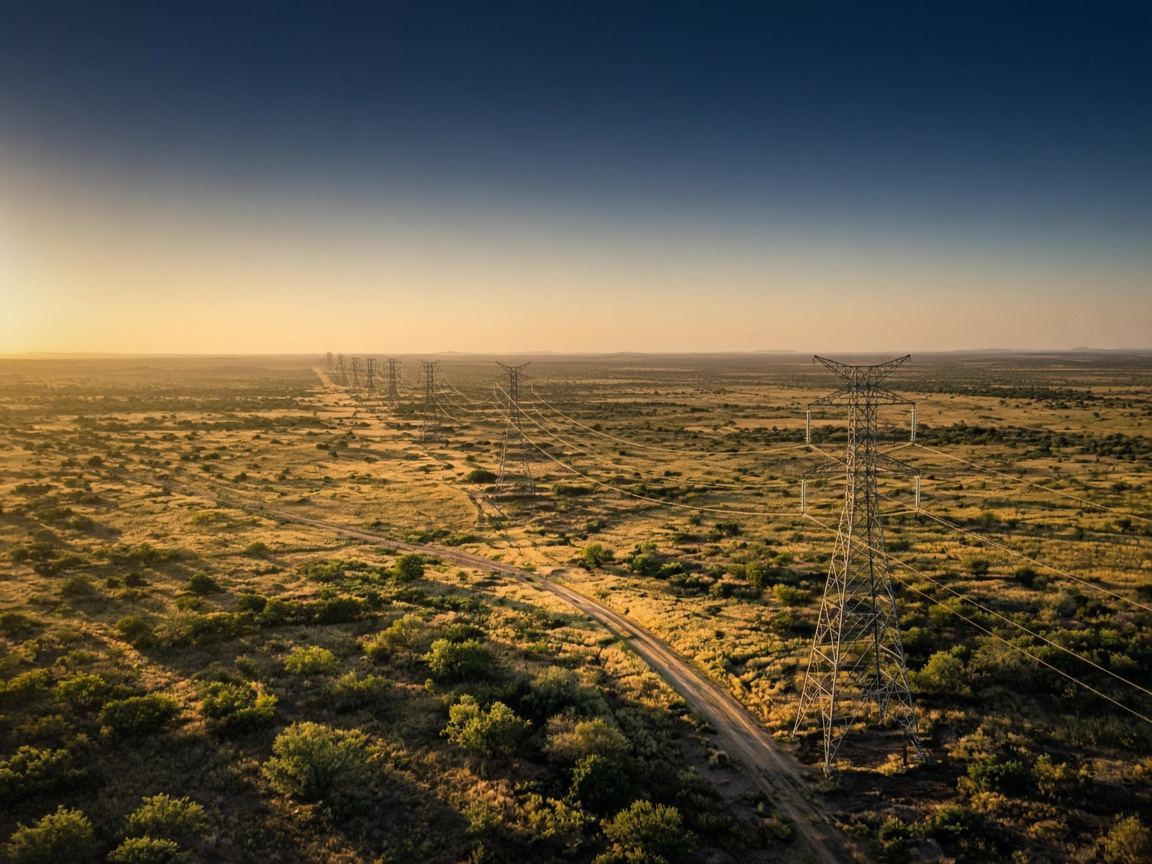
We screen for parcels that have no data center on them yet but sit close to transmission, water, fiber, and a workforce.
Open rangeland under a wide sky
  • Parcel screen against transmission, water and fiber
  • Title, survey and easement review
  • Flood, wetlands and species desktop checks
  • Option or purchase on terms that buy time
Gate 1 · Land under control
02

Line up power and water

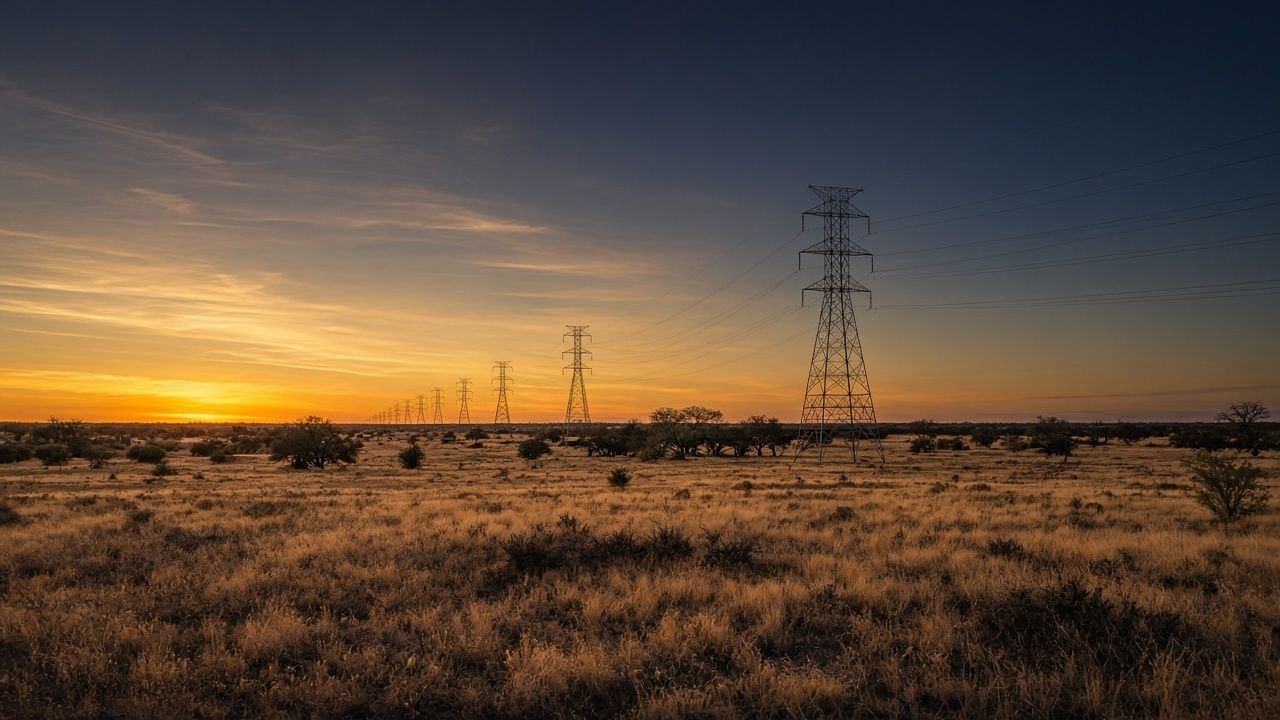
Interconnection, utility coordination, and water sourcing run side by side so the site carries a credible path to energization.

High-voltage transmission lines crossing open land
  • Transmission proximity and substation options
  • Large-load study path opened early
  • Water source, rights and supply agreements
  • Cooling basis matched to real supply
Gates 2 and 3 · Power and water
03

Deliver ready to build

Entitlements, diligence, and a pre-qualified build team are packaged together and handed to an offtaker who is ready to commit.
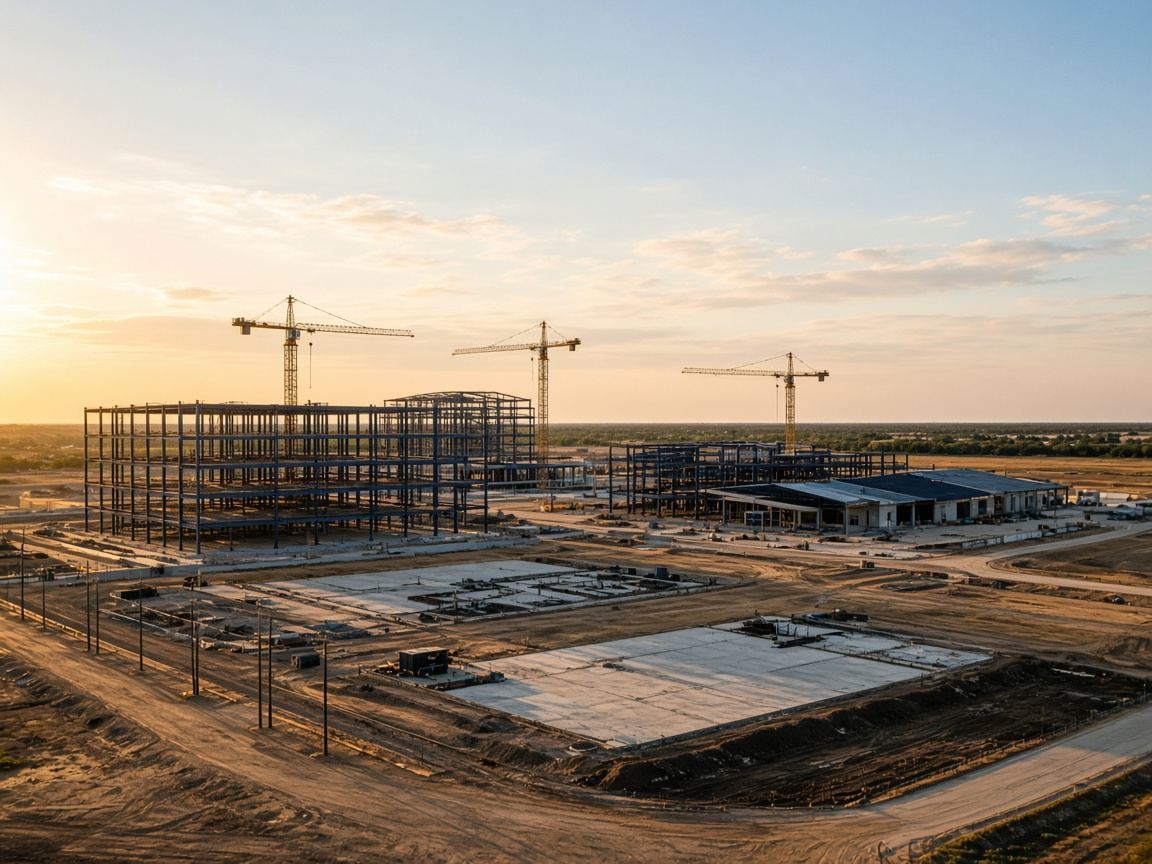
Early site work and grading on a construction site
  • Zoning, platting and construction permits
  • Incentive structure documented with local bodies
  • Design, engineering and contractor team scoped
  • One handoff package for investment committee
Gates 4 and 5 · Permits and team

How the work gets done

The long-lead items, each worked from day one.

Flat land with a distant tree line
Site screen

Site screening

We start from the grid, not the map.

A parcel is only interesting if the infrastructure around it can carry a campus. We screen for transmission and water first, then for size, shape, access and whether the land can be controlled on reasonable terms.
  • Desktop screens before anyone drives out
  • Ownership research and quiet outreach to landowners
  • Kill fast when a parcel fails a hard constraint
Gate 1 · Land under controlHow we screen
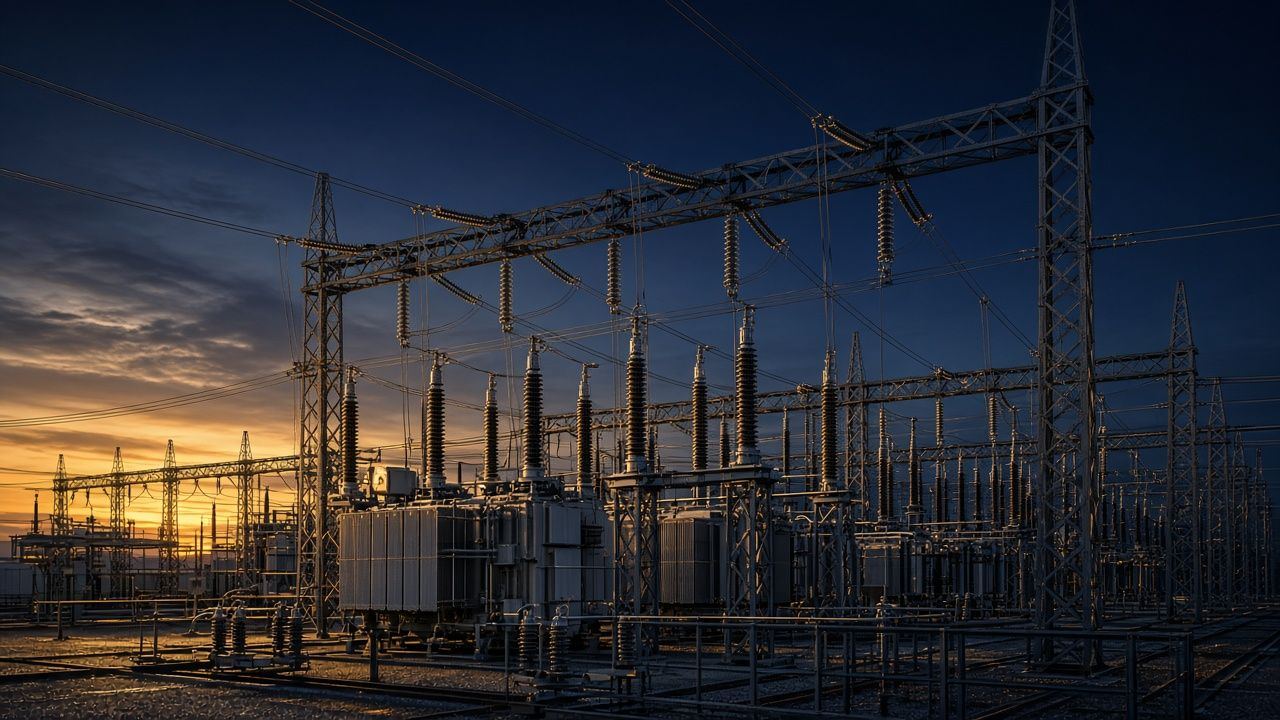
Electrical substation yard with transformers
Power

Power

Energization is the long pole, so it starts on day one.

We map transmission and substation options, open the study path early, and coordinate with the transmission and distribution utility on a timeline we are willing to put in writing.
  • Substation options: tap, expansion, or new build
  • Large-load study path and utility schedule
  • Bridge and backup strategy where it shortens time to load
Gate 2 · Study path confirmedThe power workstream
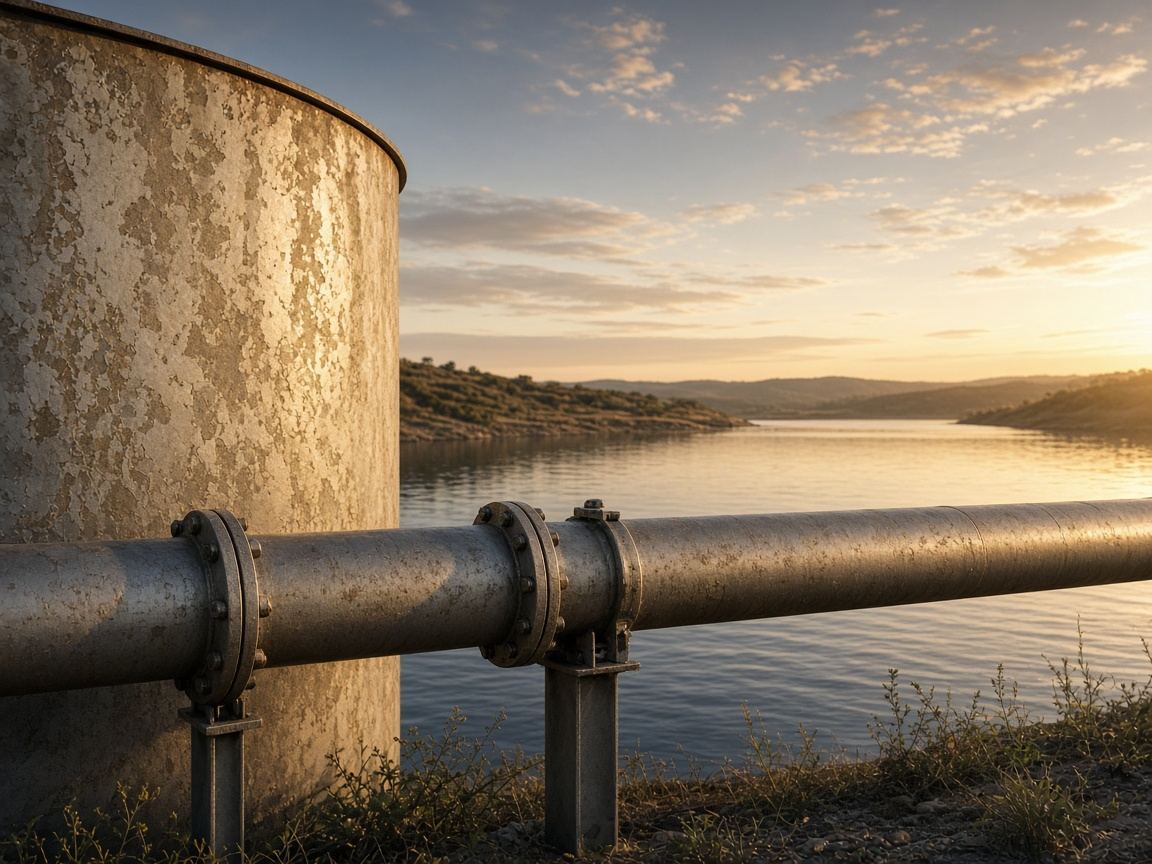
Reservoir with a low shoreline
Water

Water

Water is sized to the cooling plan, not the other way around.

Source, rights, and supply agreements are confirmed before a site is offered. The cooling basis of design reflects what the site can deliver in a dry August, not an average year.

  • Municipal, groundwater, reclaimed, or surface sources
  • Rights review and permitting path with the district
  • Supply and discharge agreements executed
Gate 3 · Supply securedThe water workstream
Stylized map of the contiguous United States with an abstract gridA simplified outline of the contiguous United States filled with schematic grid corridors and nodes. The drawing is illustrative and does not show real locations.SCHEMATIC · NOT TO SCALE

Illustrative drawing. Nodes and corridors are abstract and do not show real sites, substations, or cities.

Where we work

Across the U.S., one grid at a time.

Every grid operator runs its own interconnection process, with its own utilities and its own water districts. Our screening is built for the map a site actually sits on, and the same evidence rules travel with us nationwide.

  • Interconnection work built around your grid operator's large-load process
  • Working relationships with transmission utilities and co-ops across the country
  • Water districts and groundwater districts engaged early, not after the land closes
  • County and school district incentive structures documented for the offtaker
  • Stylized U.S. footprint
  • Transmission corridor, schematic
  • Interconnection node, schematic
Any grid operatorEach study process learned in depth
Nationwide screenNo fixed region or corridor bias
Local engagementDistricts, counties, neighbors

Our process

Five workstreams, run in parallel, converging on one deliverable.

Each workstream has its own gate. A site only advances when all five clear.

Read the full approach
01

Site screen

Parcel identification, title and survey, desktop environmental screens, and a path to control the land.

  • Ownership and title
  • Geotech and environmental
  • Option or purchase
Gate · land under control
02

Power

Transmission proximity, substation options, the study path, and utility coordination.

  • Capacity review
  • Study path opened
  • Utility schedule
Gate · study path confirmed
03

Water

Source identification, rights and permitting, supply agreements, and a matched cooling strategy.

  • Source and rights
  • Supply agreements
  • Cooling basis
Gate · supply secured
04

Entitlements

Zoning, platting, incentive structure, local engagement, and the permits needed to go vertical.

  • Zoning and platting
  • Incentive agreements
  • Construction permits
Gate · permits in hand
05

Build partners

A pre-qualified design, engineering, and construction team scoped to the site and ready to mobilize.

  • Architect and engineer
  • General contractor
  • Long-lead strategy
Gate · team under contract

Why Spenta

Built for the way a campus actually gets developed.

We focus on one asset class and one deliverable. That focus shows up in how fast a site moves and how few surprises it carries.

Grid-native

Screening, interconnection work, and timelines are built around how the market and its utilities operate, not adapted from somewhere else.

Grid-by-grid depth

Power and water first

We do not advance a parcel on location alone. Energization and water supply are proven out before a site is offered to anyone.

Infrastructure before land

De-risked handoff

Diligence, entitlements, and build team arrive as one package, so the offtaker's internal approvals move on a shorter path.

One package

Evidence behind every number

Each figure a buyer sees carries its source: verified, claimed, or ours. A site goes out with its documents, not its adjectives.

Verified · claimed · ours

Who we work with

Every greenfield campus has six kinds of partner.

We bring them together around one site. Whichever piece you hold, there is a place for it in the process.

UtilitiesTransmission and distribution partners with capacity to plan around
Water districtsMunicipal, groundwater and river authorities
EPC partnersDesign, engineering and construction teams
LandownersAcreage near transmission with a willing seller
BrokersListed and off-market parcels that fit the screen
OfftakersHyperscalers and large users who take the finished site

Insights

Notes from the front end of a campus.

Ask for a topic
Transmission towers at dusk
Power

Reading an interconnection queue like a developer

Why a queue position matters less than the study path and utility schedule behind it.

Ask for this note
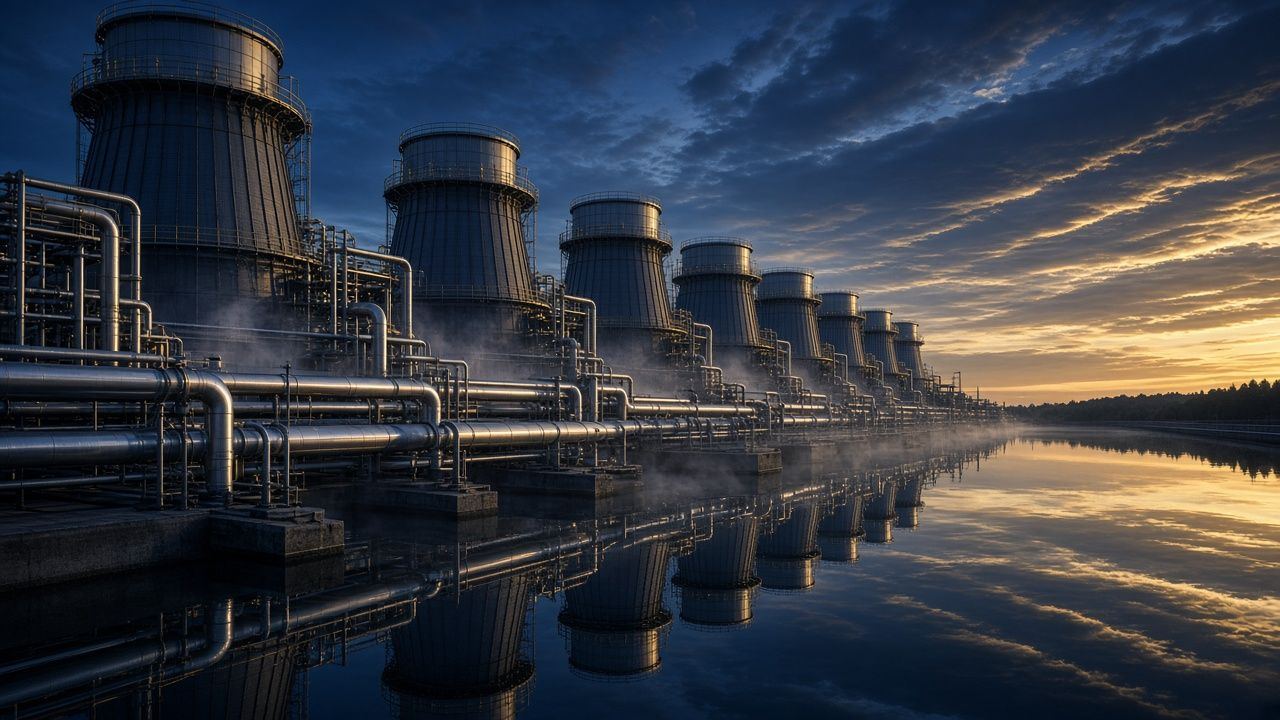
Cooling infrastructure with piping
Water

Matching cooling strategy to what a site can deliver

Closed-loop, evaporative, or hybrid: the supply agreement should make the decision, not the brochure.

Ask for this note
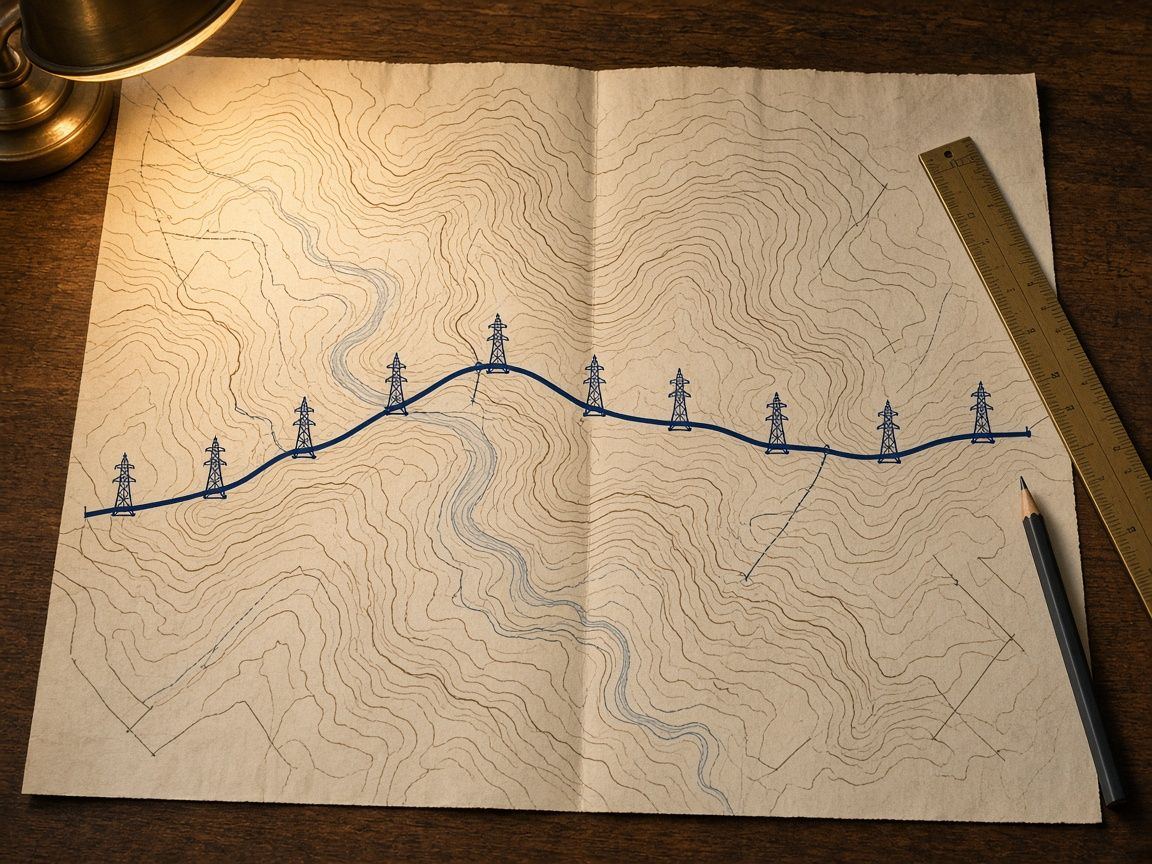
Plat map and survey documents on a table
Land

What a diligence file should let an offtaker skip

The documents that shorten an investment committee's path from first look to approval.

Ask for this note
In development

Land screening tool

Enter a parcel and get a preliminary read on transmission proximity, water availability, and basic campus suitability before anyone commits time to it.

  • Same screening logic we use internally
  • Built for landowners and brokers first
  • A quick read, not a verdict
Ask to be told when it opens
MarketU.S. · your grid operator
ParcelEntered by you
TransmissionProximity check
WaterDistrict and source read
PowerPath
WaterSupply
FitSuitability
In development · no date set

Submit a site

Brokers and owners: send the snapshot.

A partner reads every submission. We reply when a site fits, and we never pass your submission to anyone outside Spenta. Questions: intake@spenta.co.

1

The site and how to reach you

Seven fields. Name, email and location are the only ones we require.

2Details, if you have themOpenCloseCompany, phone, acres, expansion, deal type, price basis, status and notes. Nothing here is required.

By sending this you agree that Spenta stores it to evaluate the site. See Privacy.

Get in touch

Have land, power, or demand near a grid?

We talk with landowners, utilities, brokers, and offtakers. If you are working on any part of a greenfield site, we would like to hear from you.

LandownersBrokersUtilitiesOfftakers